Blog, Utility Wagons, Stroller Wagons
Utility Wagons vs Stroller Wagons: Which One Fits Your Life
TL:DR - Utility Wagons vs Stroller Wagons: Which One Fits Your Life
- Utility wagons are designed for hauling gear like sports equipment or yard supplies, featuring rugged wheels and higher capacity.
- Stroller wagons are built for carrying children, prioritizing safety with features like 3- or 5-point harnesses, brakes, and comfortable seating.
- The key difference is the core function: utility wagons are for gear, and stroller wagons are for kids with integrated safety.
- Choose a Stroller Wagon if child safety and comfort is your top priority; choose a Utility Wagon if you primarily need to haul heavy, bulky items.
Interested in finding out more? Keep reading below!
Utility Wagons vs Stroller Wagons: Which One Fits Your Life
Picking between a utility wagon and a stroller wagon feels simple—until you start comparing wheels, seats, safety, and weight limits. Families want comfort and peace of mind. Outdoor folks want capacity and rugged wheels. Most of us want something that folds fast and doesn’t eat trunk space. You can’t win it all, so we’ve written this blog to help inform your decision.
Ever since Grandpa Lapp built his first wagon on his farm in Lancaster County, Pennsylvania, Lapp Wagons has become a third-generation business that creates more than play wagons. Grandpa’s desire for quality work lives on in our tricycles for kids, dump carts for garden use, farm work, hauling roofing materials, and wheels to meet every hauling need.
No hype. Just the facts—plus where a foldable utility wagon from Lapp Wagons can cover both everyday errands and family fun.
Ready to roll? Let’s go!







What Are They? Who Buys Them?
Let’s start with comparing utility and stroller wagons, and what functions these wagons typically offer:
Utility wagons
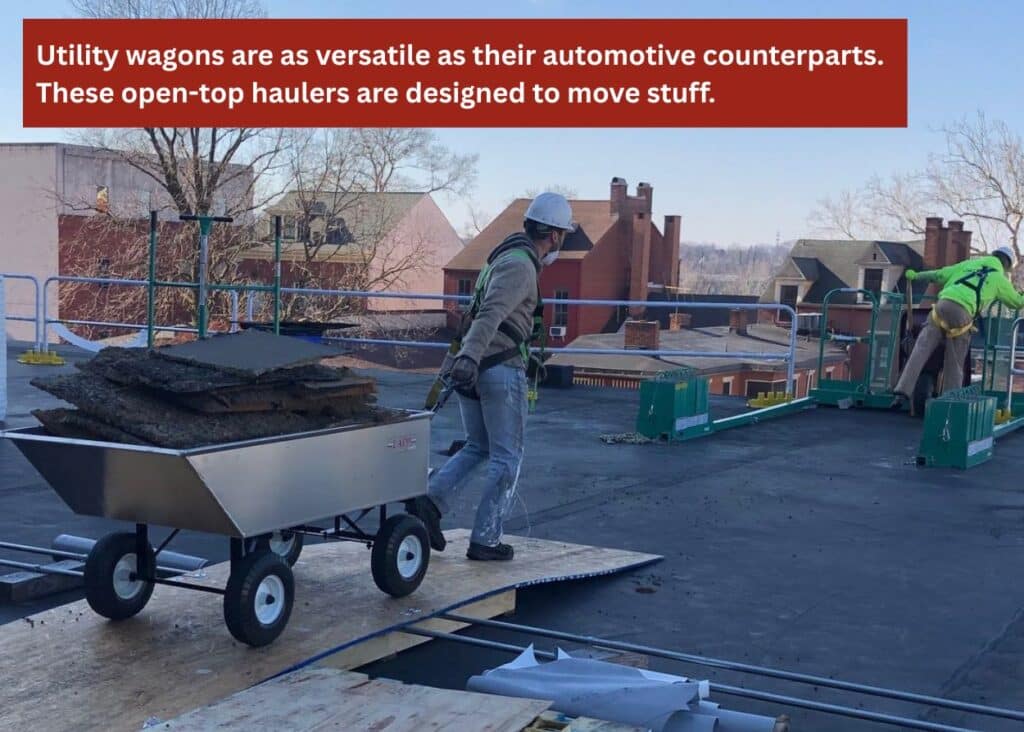
You could joke that it’s a wagon pretending to be an SUV, but utility wagons are as versatile as their automotive counterparts. These open-top haulers are designed to move stuff. Sports gear, coolers, camping bins, garden supplies, farmers’ market finds, the list goes on. Buyers tend to be outdoor enthusiasts, gardeners, youth-sports families, market vendors, and anyone who wants an easy pull-and-go hauler. Many models (including foldable options from Lapp Wagons) collapse into car trunks and garage corners, essentially making it an SUV inside an SUV.
Stroller wagons
Kid-focused wagons are comfort-focused and offer features such as integrated seats, harnesses, and stroller-style options like canopies, brakes, and push bars. Buyers are parents and caregivers who want the comfort and safety of a stroller—without the cramped storage. Think about zoo trips, festivals, boardwalks, and county fairs. While kids can ride in a utility wagon, the stroller wagon is built for style, comfort, and integrated safety.
Bottom line? One is built to haul gear; the other is built to carry kids (plus some gear). Overlap exists—but design choices matter in the end.
Key Differences in Design & Features
Safety features
- Stroller wagons: 3- or 5-point harnesses, parking brakes, often Baby Safety Alliance (BSA) Verification Program-certified safety focus, tall sides, sometimes sun canopies. You might have heard about Juvenile Products Manufacturers Association (JPMA) certifications—JPMA and BSA are the same organizations, rebranding around 2021.
- Utility wagons: They’re typically open-bed without built-in harnesses. Great for gear, kids can ride only when supervision and local rules allow—and without the secure seating of a stroller wagon.
Seating & comfort
- Stroller wagons: Padded benches, seat belts, footwells, shade options. Wheels are designed for a smoother, more comfortable ride. Note that older stroller wagons have 3-point seat belts; it’s recommended that parents look for the safer 5-point systems, and aftermarket conversions are available for added safety.
- Utility wagons: Flat cargo deck. Some offer removable pads or cushions, but seating isn’t the design priority. It’s gonna be a bumpy ride!
Maneuverability
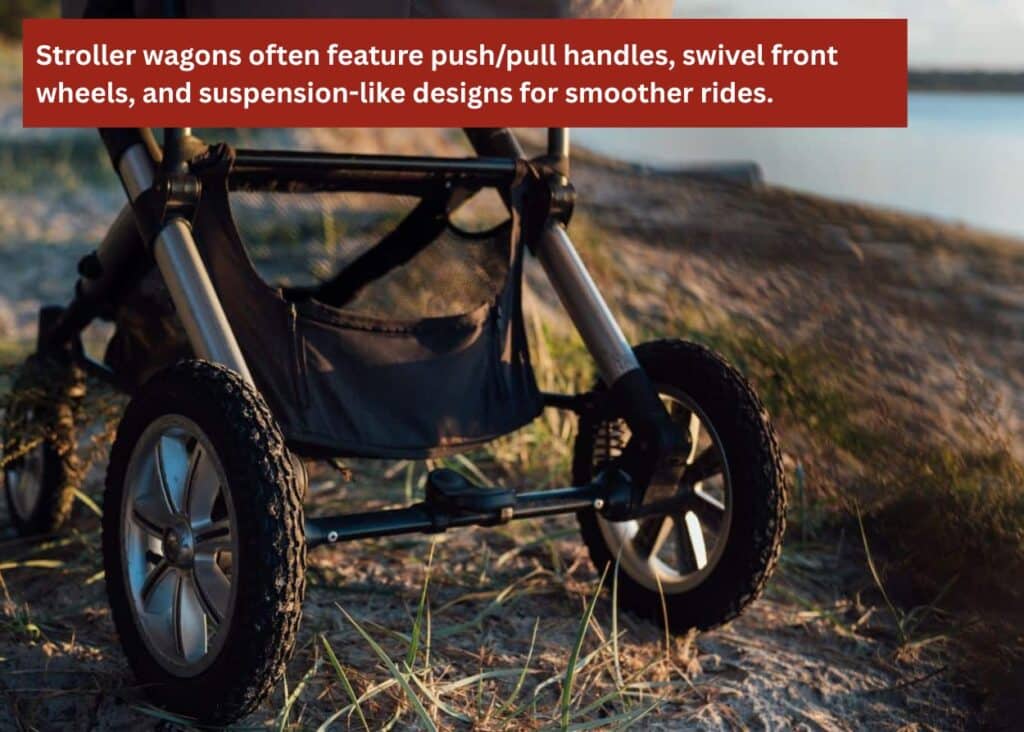
Stroller wagons: Often feature push/pull handles, swivel front wheels, and suspension-like designs for smoother rides. Why a push/pull handle? They’re essential for security. By pushing the wagon, you can keep an eye on your little passengers. The only disadvantage to pushing is the need to lift the front end when hitting curbs, but that minor inconvenience can be avoided by turning the wagon around and pulling it over the curb.
- Utility wagons: Typically pull-first with a long handle and robust wheels for grass, gravel, and trails. The focus is on pushing cargo that may be bulky, so towing the load is handier, especially when the terrain is soft or uneven. Lapp’s utility wagons focus on sturdy frames and stable tracking for more efficient pulling.
Wheel types
- Stroller wagons: Foam- or air-filled stroller-style tires are ideal for effortless coasting on sidewalks, in parks, and on paved paths.
- Utility wagons: Chunkier wheels that do well on dirt, turf, beach paths, and uneven ground. Look for wider profiles if you’ll see sand or soft grass. Utility wagons are great candidates for flat-free tires.
Weight capacity
- Stroller wagons: Capacity must include children and bags. Exceeding limits isn’t safe. Seat limits are typically 45-99 pounds. For example, the Keenz XC+ Evo 4 seat model can hold up to 326lbs, though 220lbs of that is kids with a weight limit of 55lbs per child.
- Utility wagons: Often higher gear capacity (varies by brand). Great for coolers, totes, tools, chairs—stuff that would overwhelm a stroller wagon. Lapp’s Foldable Express Wagon, for example, supports weights up to 350lbs. That’s a lot of gardening supplies, coolers, sports gear, or farmer’s market groceries.
Folding & storage
- Thanks to modern mechanical and materials engineering, both offer sturdy, durable foldable frames. However, check for the folded footprint and lift weight. If you’re loading it solo into an SUV, those numbers matter, especially for some larger wagons that can weigh over 50 lbs empty.
Storage & organization
- Stroller wagons: Pockets, cupholders, snack trays.
- Utility wagons: Larger single-cavity storage that swallows odd-shaped items. Hooks or side rails can help strap down loads.
Durability
- Stroller wagons: Comfort-forward materials that are still durable for family use.
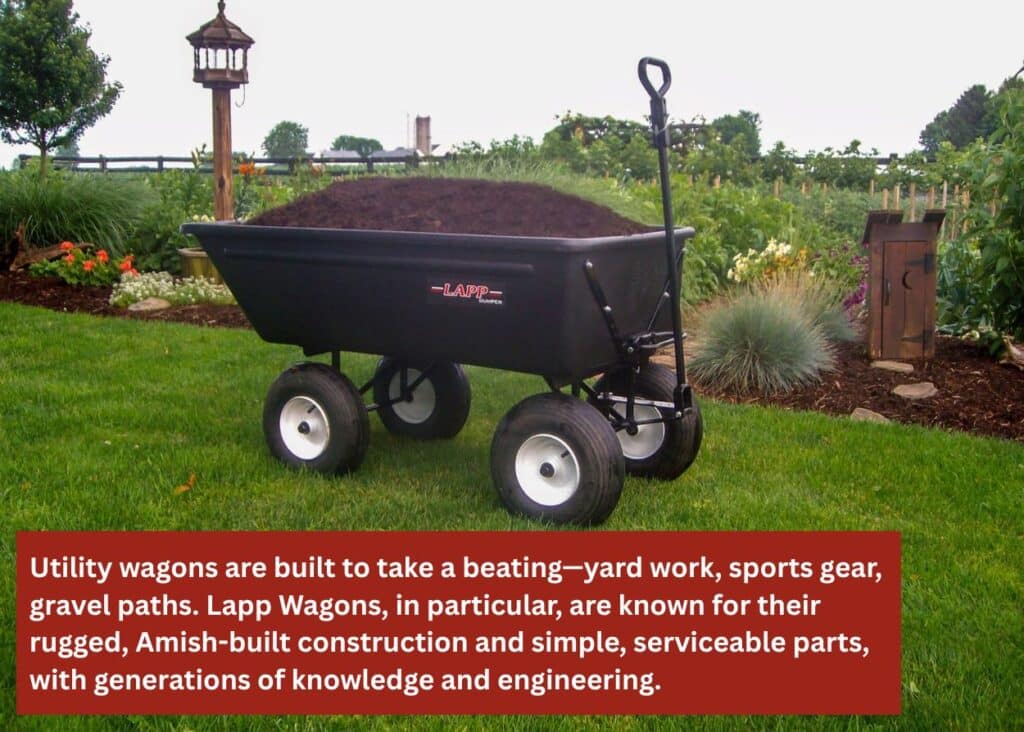
Utility wagons: Built to take a beating—yard work, sports gear, gravel paths. Lapp Wagons, in particular, are known for their rugged, Amish-built construction and simple, serviceable parts, with generations of knowledge and engineering.
When a Utility Wagon Makes More Sense
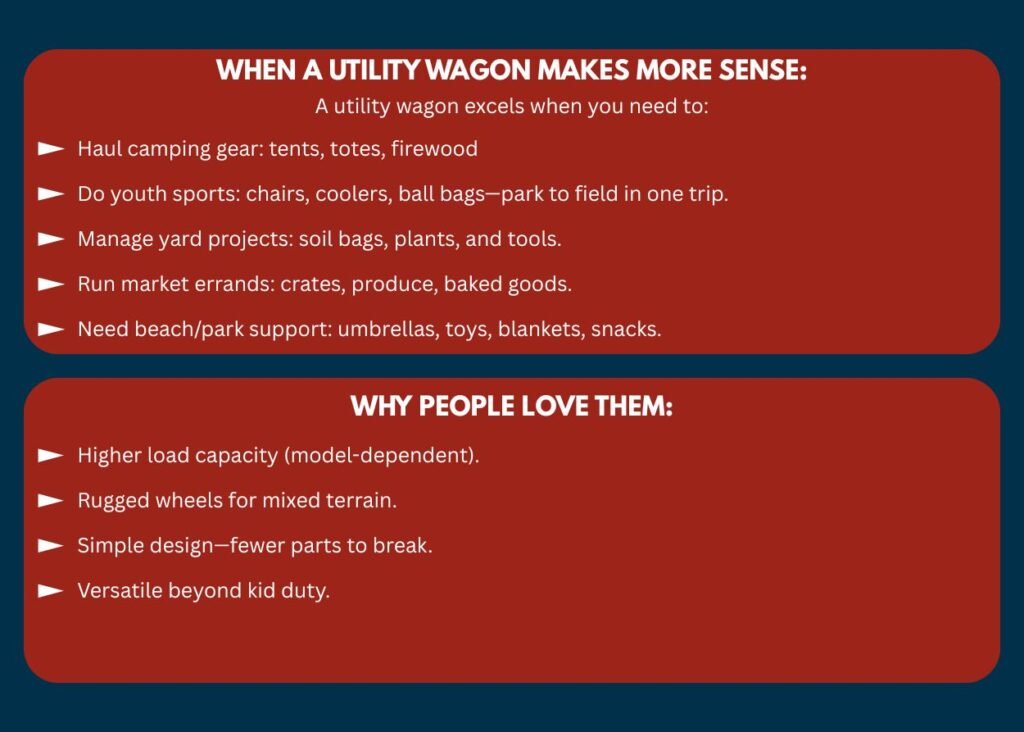
You want the grab-and-go hauler that thrives on chores and weekends. A utility wagon excels when you need to:
- Haul camping gear: tents, totes, firewood
- Do youth sports: chairs, coolers, ball bags—park to field in one trip.
- Manage yard projects: soil bags, plants, and tools.
- Run market errands: crates, produce, baked goods.
- Need beach/park support: umbrellas, toys, blankets, snacks.
Why people love them:
- Higher load capacity (model-dependent).
- Rugged wheels for mixed terrain.
- Simple design—fewer parts to break.
- Versatile beyond kid duty.
If that’s your life, consider a foldable utility wagon, with an eye for durability and everyday ease. A Lapp wagon is ideal, and even offers wheel and tire upgrades.
When a Stroller Wagon Wins
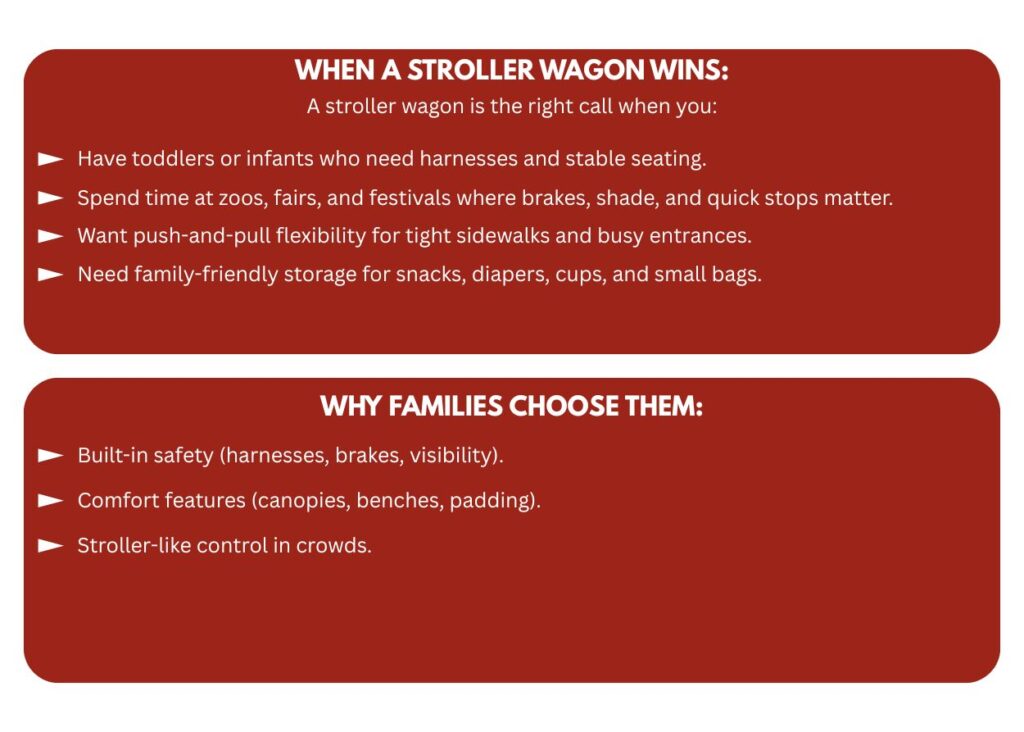
Your priority is kids’ comfort and safety. A stroller wagon is the right call when you:
- Have toddlers or infants who need harnesses and stable seating.
- Spend time at zoos, fairs, and festivals where brakes, shade, and quick stops matter.
- Want push-and-pull flexibility for tight sidewalks and busy entrances.
- Need family-friendly storage for snacks, diapers, cups, and small bags.
Why families choose them:
- Built-in safety (harnesses, brakes, visibility).
- Comfort features (canopies, benches, padding).
- Stroller-like control in crowds.
If your typical day includes naps, snacks, and stroller parking, the stroller wagon’s convenience and safety-forward design is tough to beat.
How to Choose
There’s a lot to like about utility and stroller wagons, but sometimes the choice is not as simple, especially if you have some overlapping requirements. To help you choose, we’ve compiled this quick decision process table:
- Will kids ride regularly?
- Yes → Opt for a more secure, specialized stroller wagon.
- Sometimes → A utility wagon can work for short breaks, but know that it’s not a stroller. Take care to supervise kids riding on the wagon.
- Where will you use it most?
- Crowded paths + tight spaces → The stroller wagon’s maneuverability really shines when you need control.
- Fields, parks, beaches → The utility wagon’s all-terrain wheels and stability win, every time.
- What’s heavier—kids or gear?
- Kids & small bags → The stroller wagon’s comfort and convenience matter, plus your kids will have a dedicated space to sit on, while your bags have their own spaces.
- Coolers, chairs, bins → Utility wagon—the wide, single space makes for easy stacking and even load distribution.
- How often do you fold and lift it?
- If it’s folded up and loaded into the trunk every trip, check the folded size and lift weight before you buy.
FAQs
Here are some FAQs that would address some unanswered questions:
Can a utility wagon replace a stroller wagon?
Not for secured child transport. For safety, kids need harnesses and proper seating, features built into stroller wagons.
Do utility wagons work on sand?
Yes, if you choose wider wheels and stay within weight limits. Narrow wheels tend to dig in.
What if I need one wagon for everything?
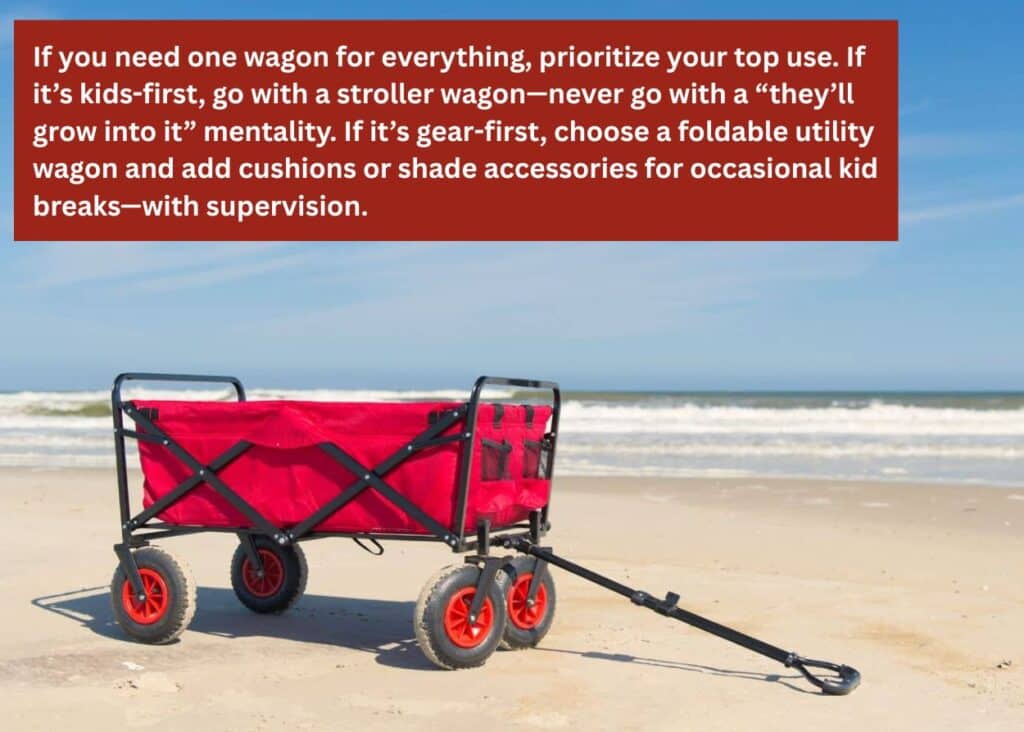
Prioritize your top use. If it’s kids-first, go with a stroller wagon—never go with a “they’ll grow into it” mentality. Even at the added expense, it’s wiser to get a stroller wagon than a utility wagon later, or have both on hand, because you can’t beat the safety-forward design of a dedicated stroller. If it’s gear-first, choose a foldable utility wagon and add cushions or shade accessories for occasional kid breaks—with supervision.
How much weight can they carry?
It varies by model. Always check the manufacturer’s limit and don’t exceed it—especially with kids on board.
Final Take
At the end of the day, the choice comes down to two decisions:
- Choose a utility wagon if you’re hauling gear for camping, sports, yard work, or markets—and you want durable wheels and real capacity.
- Choose a stroller wagon if child safety and comfort are your top priorities—harnesses, brakes, and canopies are there for a reason.
Consider Lapp Wagons’ foldable utility wagon if you want a rugged, family-friendly hauler that covers most weekend and everyday needs—without fuss. Whichever you choose, a quality, well-built, rugged wagon will provide you with functionality and convenience for years.
Still on the fence? Contact us today, and we’ll help you pick the right wagon for your needs!